We’ve just repeated our global eDNA water sampling programme of New York harbour, first undertaken in 2024.
eDNA is a pioneering technology that identifies trace DNA in water or other environments, allowing identification of species or genus recently present. We’ve undertaken eDNA testing at multiple other locations around the world – including Bermuda, Sydney, Alaska and San Francisco – with our partners the SailGP Germany team and NatureMetrics.
What does our 2025 eDNA survey reveal about New York’s underwater inhabitants?
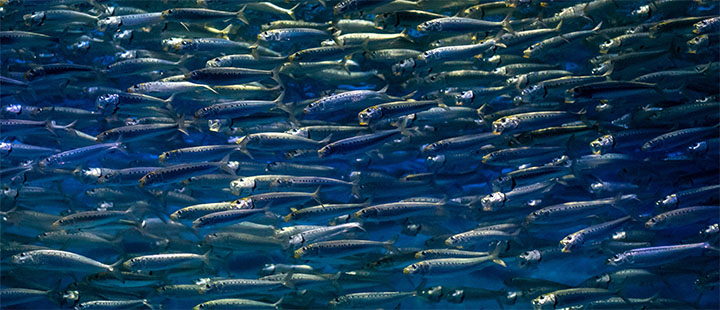
The good news is that it reveals more species than last year – 42 in total including fish, birds and mammals. A welcome new arrival was the American Eel, a fish with a remarkable lifecycle that involves long-distance spawning migration from freshwater habitats all the way to the Sargasso Sea. Rapidly falling eel numbers in recent years have been due in part to disruption of its migration routes: evidence of an intact New York pathway is therefore very reassuring. Other positives included the presence of the top-tier pelagic predator, Bluefish, confirming a robust food chain. Tautog eDNA establishes the site’s importance for this commercially managed fish. There was also evidence of transient Dolphin/Whale DNA. No invasive species were recorded again – an encouraging signal – yet the presence of additional vulnerable and endangered fish highlights both the richness and the fragility of marine life in New York’s waters.
Bob Hyldburg, executive director of Gotham Whale, took a hands-on role with the eDNA sampling. “This survey provides us with more great information on New York harbour,” notes Bob, “and helps both support and encourage our citizen sightings and advocacy of whales and other cetaceans”.
Markus Müller, Deutsche Bank Private Bank’s Chief Investment Officer Sustainability says that “Deutsche Bank’s global eDNA programme continues to collect critical data for global ocean health. Each sample helps build a broader picture of how marine ecosystems are responding to pollution and urbanisation. Knowledge is necessary to find solutions”.
New data releases are expected from our eDNA testing off San Francisco, Rio and Sassnitz. Together, these insights will contribute to a growing global database of marine DNA – and a deeper understanding of how life beneath the surface connects us all.