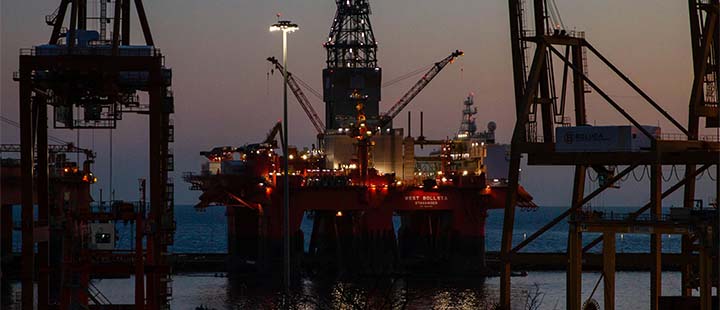
In this PERSPECTIVES Special, we explore how the Hormuz-specific conflict with Iran has become a defining macro shock, disrupting global energy flows, lifting inflation risks, and reshaping cross‑asset and regional market dynamics, with the US relatively insulated but still exposed to higher prices and tighter financial conditions.
Key takeaways
- Disruptions around the Strait of Hormuz have embedded a higher global energy risk premium, driving sharp regional and sectoral dispersion and reinforcing a stagflation‑tilted market environment.
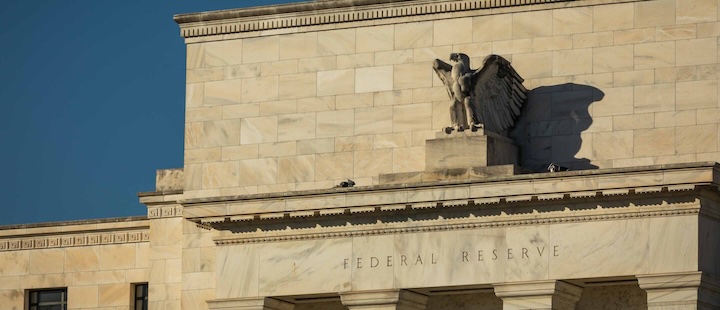
- The US benefits from relative energy insulation as a net exporter, but rising oil prices are still pushing inflation expectations higher and limiting the Federal Reserve’s policy flexibility.
- Market leadership is shifting toward resilience, favouring Energy, select Technology and Utilities, and defence‑linked Industrials, while rate‑sensitive and energy‑intensive sectors continue to lag.